The Cut That Lets a Reaction Speak
Learn how a reaction cut shifts a scene’s emphasis from dialogue to response, and use a focused editing routine to shape timing, performance and meaning.
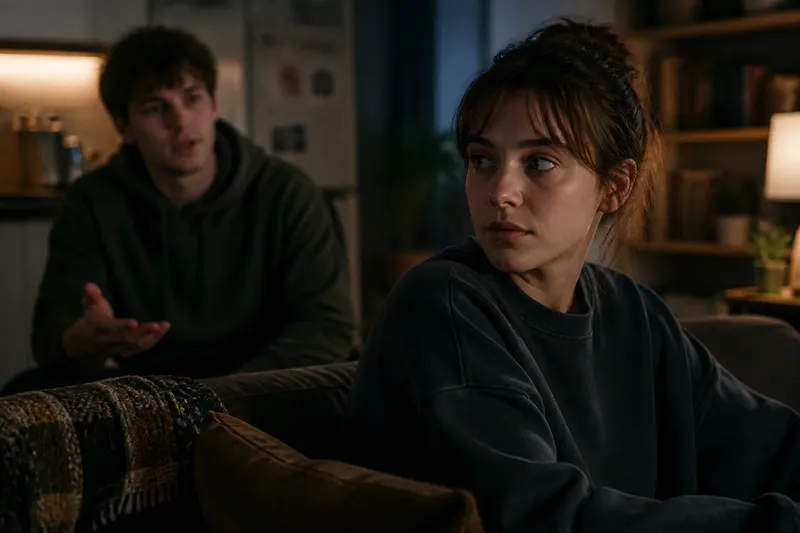
A reaction cut can make a listener’s face carry more weight than the line that prompted it. In film editing, holding on the person who hears a remark redirects attention: the audience watches what the words do, not only what the speaker says. The choice depends on timing, performance and the scene’s point of view.
To practise this kind of edit, use a short, clearly staged exchange and work through it across a week. The aim is not to make every pause longer. It is to decide exactly when the listener’s response becomes the scene’s most revealing information—and when returning to the speaker serves the story better.
What does a reaction cut change?
A line of dialogue presents information in the speaker’s voice. A cut to the listener presents a second kind of information: their attention, discomfort, doubt, amusement or effort to conceal a response. The words remain audible, but the image asks us to read them through the person receiving them.
That shift can alter emphasis without changing the dialogue. A confident-sounding apology may feel less convincing if the edit stays on the recipient, whose expression suggests that the apology has arrived too late. A teasing remark may seem affectionate if the listener suppresses a smile—or cruel if they look away.
There is no universal meaning attached to a glance, blink or still face. The edit invites an interpretation; context and performance shape it. A listener’s response might be deliberately unreadable, and that uncertainty can itself be useful. The editor’s job is to notice what the shot makes available, not to assign a fixed emotion to every movement.
What should you do on the first day?
Choose a short dialogue scene with a clean exchange of speaker and listener shots. You need a version that includes both sides of the conversation, not just a finished sequence already cut to a fixed rhythm. Bring the footage into an editing programme and label the shots plainly: speaker, listener, line, and any usable alternate take.
Watch once without pausing. Then write down the moment when your attention changes: perhaps the speaker begins to hedge, the listener recognises a name, or a small reaction contradicts a polite answer. Describe what you actually see and hear before naming what you think it means. “Her hand stops moving” is observable; “she is offended” is an interpretation.
Next, mark the line’s beginning and end in the timeline, along with any clear response. Avoid trimming the clip to just the words. The breaths, eye movements and space after a sentence may contain the material that makes a reaction cut work.
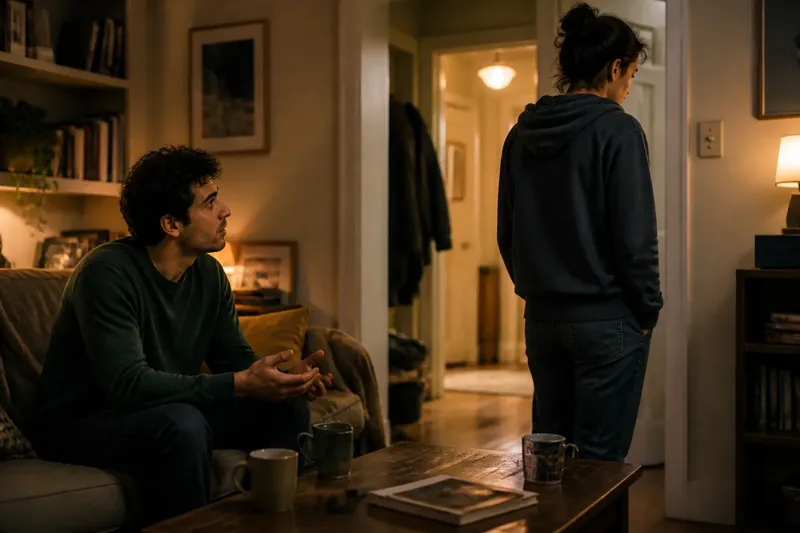
For example, imagine you are editing an invented scene in which one flatmate says, “I put your sketchbook in the cupboard.” The listener looks up as the explanation continues, then says nothing. If the story has established that the sketchbook matters, holding on the listener can make the admission’s effect more prominent than the speaker’s effort to sound casual.
How do you shape the cut during the week?
Use each editing session to investigate one decision, rather than repeatedly polishing the same version. Keep a duplicate sequence so you can compare alternatives without losing a useful cut.
- On the first session, map the exchange. Mark the dialogue, pauses and available changes in expression. Note where the speaker’s intention seems to shift and where the listener appears to register it.
- On the next session, make a speaker-led pass. Let the speaker remain on screen through the important line. Cut to the listener only when the response is clear or when the scene needs a change of visual emphasis.
- Then make a listener-led pass. Begin the cut to the listener just before the key line, or during it, and stay there through the response. Keep the dialogue sound continuous so the listener remains the visual focus while the speaker’s words carry on.
- Later in the week, compare the versions. Watch each without stopping. Ask what information becomes strongest, whether the scene’s pace feels intentional and whether the listener’s face gives away too much—or too little.
- In the final session, refine the chosen timing. Adjust the cut point by small amounts, then watch the whole exchange again. Check that the edit feels connected to the performance rather than placed to underline a reaction mechanically.
Keep both versions until you can explain what each one emphasises. A reaction cut is a storytelling choice, not a rule that the listener must always get the last word visually.
How long should you hold on the listener?
Hold the shot long enough for the audience to register the response that matters, then move on when the scene’s attention has shifted again. That may mean cutting during the line, after it, or only after the listener has begun to answer. The right point comes from the performance and the surrounding rhythm.
Try moving the cut earlier and later while leaving the audio in place. An early cut can make the audience search the listener’s face as the line unfolds. A later cut can make the response feel like a new beat after the speaker has finished. If the listener’s expression changes gradually, cutting too soon may hide the change; staying too long can make a subtle performance seem overemphasised.
Also check the shot’s beginning and end. A listener may already be reacting before the line starts, which can suggest anticipation. If the reaction settles into a neutral expression, the moment may be complete before the shot ends. Don’t hold simply because the scene is quiet.
What should you listen for while watching?
Keep the dialogue and room sound intact as you compare edits. The line’s pace, a breath before the response, or a chair creak may affect how long the image can comfortably remain on the listener. Sound provides continuity while the picture changes its subject.
Pay attention to where the speaker’s voice sounds as the listener fills the frame. If the scene uses continuous production dialogue, a visual cut can leave the sound anchored to the person speaking. That is often enough. If you replace or move audio, make sure the transition remains clear and does not imply a different speaker or a new moment.
Use headphones for details, but also watch at a normal listening level. A reaction may depend on a quiet intake of breath that disappears in an overly loud mix, or on a vocal hesitation that becomes distracting when isolated. The goal is to judge the whole exchange, not to make every tiny sound a signal.
Which questions help you judge the edit?
Should the cut happen before the line ends?
It can, if the listener’s response is the important event or if their face changes how the dialogue lands. Keep the speaker audible and make sure the early cut does not obscure an essential gesture or action.
Can you hold on a listener who barely reacts?
Yes, if their stillness contributes to the scene’s uncertainty or shows that they are choosing not to respond. If the shot adds no new attention or tension, return to the speaker or find a more informative moment.
What if the listener’s expression suggests several things?
That ambiguity may be productive, especially when the scene should leave the relationship unresolved. Avoid cutting to a reaction merely to provide a simple emotional caption for complicated dialogue.
How can you tell when the reaction has gone on too long?
Watch for a point where the listener’s expression has settled and the audience has had time to read it, but the shot continues without a new beat. Compare a shorter version and choose the one that preserves the intended uncertainty without making the pause feel accidental.
When should you return to the speaker?
Return when the speaker’s behaviour supplies information the listener’s shot cannot: a shift in intention, a revealing glance, a physical action or a change in delivery. A speaker may also need the image when the next line starts a new thought, rather than continuing the emotional effect of the previous one.
Check the exchange around the reaction, not only the isolated cut. If the listener’s shot creates a strong pause, the following edit should respect that pause. Cutting back too quickly can cancel the effect; staying away too long can make the listener seem more important than the scene intends.
For the final review, watch the sequence once without touching the timeline. Notice what you remember afterwards: the wording, the speaker’s performance, or the listener’s response. Then inspect the cut in context and ask whether that emphasis suits the scene. A well-placed reaction cut does not merely show a face; it gives the audience time to hear the words through someone else’s experience.
Keep the chosen version and its alternative, with a short note describing the difference in emphasis. That comparison makes the reaction cut easier to assess later, when the scene has been rearranged or paired with a different performance.