Close-Up or Wide Shot for a Two-Person Conversation?
Choose close-up or wide shot for a two-person conversation by matching framing to the scene’s focus, from private reactions to shared space.
Choose a close-up or wide shot for a two-person conversation by deciding what the audience should notice first: a change in one face, or the relationship between both people in the space. A close-up makes small shifts in expression easier to read; a shared wide frame keeps distance, posture and surroundings visible. Start with the scene’s dramatic focus, then look at how each framing changes what the exchange feels like.
What is the scene asking us to watch?
Before comparing shots, describe the conversation’s central change in one plain sentence. One character may be waiting for an answer, concealing a decision, testing a boundary or trying to keep the other person in the room. The sentence need not explain the whole plot. It identifies the action that the framing should help the audience follow.
Then locate where that action becomes visible. If the important shift is a held breath, an avoided glance or a smile that does not reach the eyes, a close frame can make it legible. If the shift is one person moving away while the other stays put, the relationship between the bodies may matter more than either face on its own.
Do not assume that the most emotional line must receive the tightest shot. A character can say something painful while the scene’s actual focus is the other person’s refusal to respond. Ask who is acting, who is listening and what changes between them. That gives you a more useful starting point than simply tagging lines as dramatic.
What does a close-up reveal?
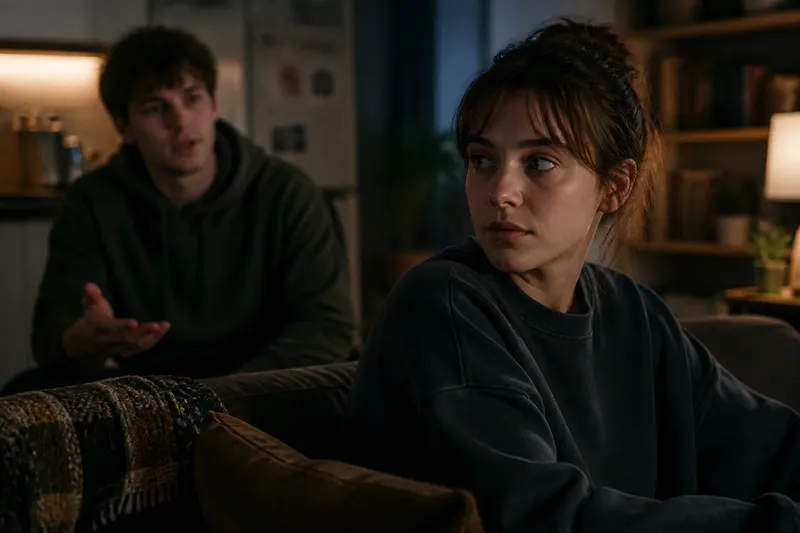
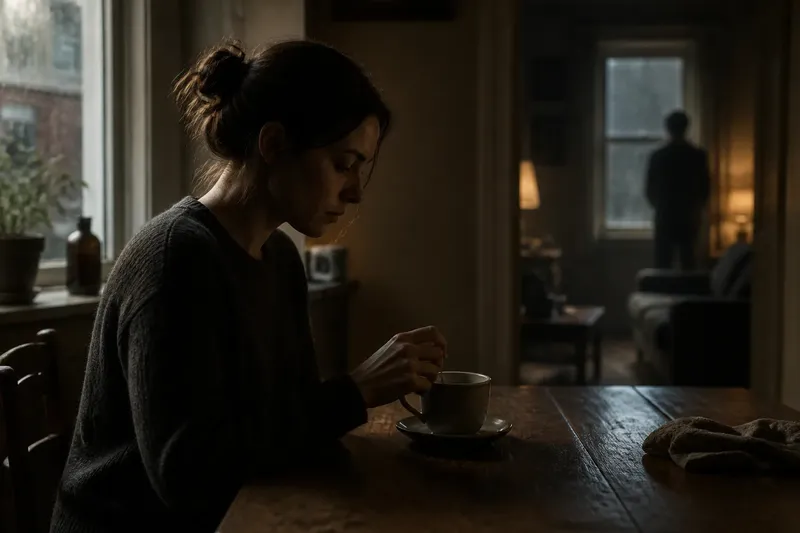
A close-up gives one character’s face most of the screen’s attention. It can make a small reaction prominent: a glance towards a door, a mouth that tightens before an answer, or a moment of hesitation that a wider view might leave less obvious. The audience is invited to read that face in detail, including the difference between what the character says and what their expression seems to disclose.
This concentration can also narrow the scene. The other person’s posture, the distance between them and the room’s layout may fall outside the frame. That can make a listener feel absent even while their voice remains audible. It may also create a sense of privacy, pressure or isolation, depending on what the performance and surrounding shots establish.
Think about whether one character’s inner response should lead the audience’s attention at this moment. If the answer is yes, the close-up is a strong option. If the scene depends on comparing both characters at once, a frame that excludes one of them may ask the audience to hold that comparison in memory instead.
What does a shared wide shot keep visible?
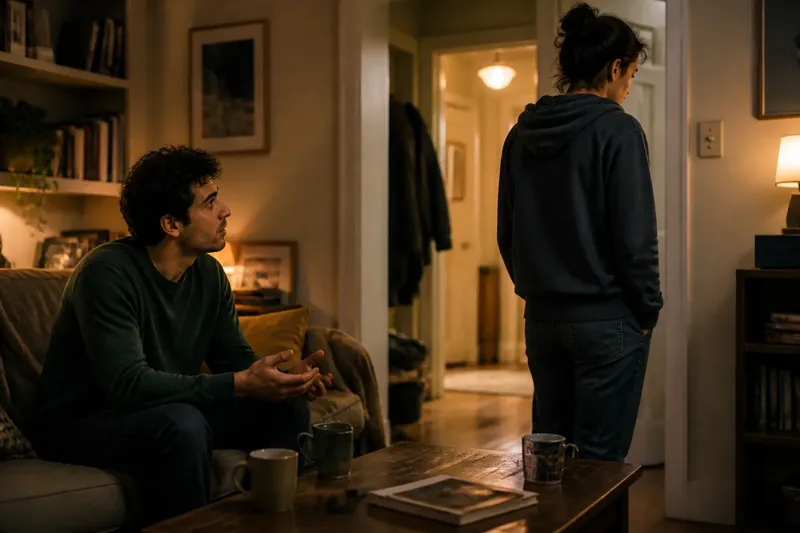
A wider two-person frame can show both characters at once, along with the space between them. That makes distance, orientation and body position part of the conversation’s meaning. One person might lean forward while the other remains still; both might face each other, or one might turn towards the window rather than the speaker.
The frame also lets the audience compare reactions without shifting its attention from one shot to another. It can make an uneven exchange feel deliberate: one person speaking at length, the other listening without offering the reassurance they expect. The audience may notice who occupies more space, who has an unobstructed exit or what object sits between them.
A shared frame is not automatically neutral or emotionally distant. Composition can favour one person even when both remain visible. A character nearer the camera, placed against a brighter background or framed by a doorway may draw attention first. Look at the whole arrangement, not only the amount of space around the actors.
How do you compare the two framings?
- Name the scene’s focus. Write down the change the audience needs to follow, such as a refusal, an admission or an attempt to avoid an answer.
- Identify the visible evidence. Decide whether that change lives mainly in a face, in the pair’s body language, or in the relation between their bodies and the room.
- Picture a close frame. Ask what facial detail becomes easier to notice and what information disappears. Include the listener’s response in that calculation, not just the speaker’s line.
- Picture a shared frame. Check whether both performances and the space between them remain readable. Consider whether the audience should see who moves, who stays and how the surroundings shape the exchange.
- Choose the frame that serves the current beat. If the focus shifts during the conversation, the framing can shift too. Do not make a change merely because a line feels important; make it when the audience’s attention needs to move.
- Check the result in sequence. Consider what the audience has already seen and what the next moment needs to reveal. A close-up may carry a reaction forward; a wide frame may preserve a spatial relationship that later action depends on.
Say you are shaping an invented scene in which one character asks a flatmate whether they are leaving the shared home. The speaker stays by the table while the flatmate moves towards the hall and pauses without turning around. If the scene’s focus is the unspoken reluctance in that pause, a close-up on the flatmate may make the hesitation easier to read. If the focus is the choice to remain near the exit while the speaker stays behind, a shared frame better preserves that tension in their positions.
How should you think about eyelines and the room?
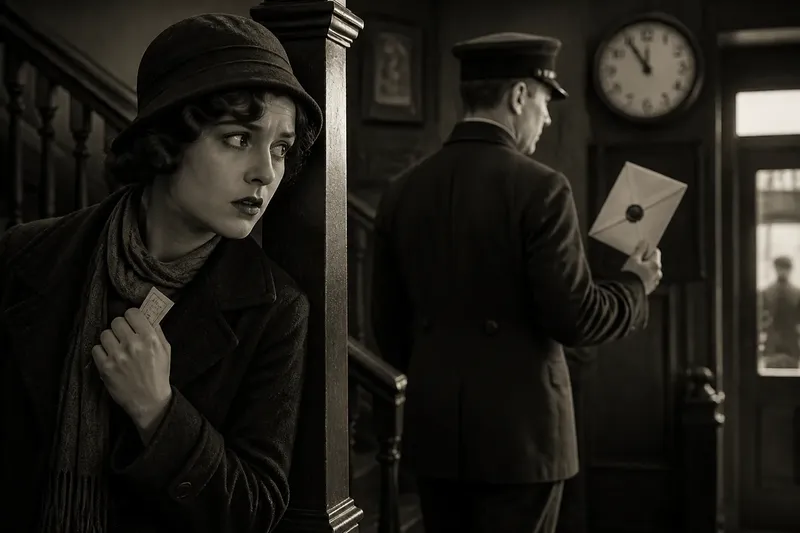
In a close-up, an eyeline can give the audience a clear sense of whom the character is addressing, even when the other person is out of view. The direction of the gaze matters: a character looking slightly off-camera can seem engaged, evasive or fixed on something beyond the conversation. Compare that glance with the line being delivered and the response that follows.
A wider frame makes more of the characters’ orientation available for comparison. Notice whether their chairs face one another, whether one has turned away, and whether furniture or a doorway divides them. These details can clarify an imbalance without a character explaining it aloud. They can also distract if the room contains prominent objects that have no bearing on the scene’s focus.
Keep continuity in mind when judging possible framings. The audience should be able to understand where each person is positioned and how they relate across the exchange. Where camera placement, production constraints or the intended style affect the choice, follow the director’s plan and relevant production guidance rather than treating one framing as a universal rule.
Which framing suits the scene’s focus?
- Use a close-up when a facial change carries the beat. A brief hesitation, concealed hurt or attempt to appear calm can take precedence over the room.
- Use a shared frame when the relationship is visible in the space. Distance, unequal movement or the choice to stay side by side may be the conversation’s clearest evidence.
- Consider the listener when the speaker has the dialogue. The scene may depend on a silent response rather than the words being spoken.
- Consider a wider view when physical action affects the exchange. Reaching for a coat, withholding an object or shifting towards a doorway may change what the words mean.
- Let one frame carry a deliberate blind spot. Keeping a character outside a close-up can make their response unavailable for a moment. Choose this only if withholding that information suits the audience’s experience.
These are choices about attention, not fixed rules. A close-up can still show doubt without making the character sympathetic, and a wide shot can still feel intimate if the performers and composition draw the eye together. Judge what the frame makes easy to notice, rather than assigning it a single emotional meaning.
When is a close-up or wide shot better?
Does a close-up always mean greater emotion?
No. It makes one face more prominent, but the performance, dialogue and context determine how that face reads. A close-up can make an ordinary pause feel scrutinised, or show a character withholding an expression rather than displaying strong emotion.
Can a wide shot make a conversation feel intimate?
Yes. Two people sharing a quiet space can feel close even when the frame includes the room. The distance between them may be slight, and keeping both faces visible can let their shared attention carry the moment.
What if the speaker and listener both matter?
Begin with a frame that makes their relationship clear, then ask whether a particular response deserves closer attention. The right choice depends on whether the audience needs to compare them together or read one person’s change in detail.
Should every emotional line get its own close-up?
No. Tightening the frame on each important line can make the conversation’s visual emphasis predictable. Hold a wider view when the exchange between the characters matters more than the impact of any one line.
How can you make the final choice?
Return to the sentence describing the scene’s focus and ask whether the chosen frame makes that focus easiest to see. Then check the excluded information. If the audience needs the other person’s reaction or the distance between the pair, a close-up may remove useful evidence. If a subtle expression is the whole point, a shared wide frame may leave it too small to read.
When both framings seem plausible, choose the one that gives the audience a clearer task. A close-up might ask them to interpret a single face; a shared frame might ask them to compare two people and their positions. The choice is not about which shot is more dramatic in general. It is about what the scene needs the audience to notice now.
For a two-person conversation, choose close-up or wide shot by locating the scene’s visible evidence: face, relationship or movement through space. Revisit that decision whenever the focus changes. A frame earns its place when it directs attention without hiding information the audience needs to understand the exchange.