A One-Scene Rewatch for Tracking a Character’s Goal
A one-scene rewatch for tracking a character’s goal reveals how small choices steer a performance and where the scene changes direction.

A character’s goal in a scene is often clearest in what they try next, not in what they say they want. A one-scene rewatch for tracking a character’s goal helps you spot that pattern: name the immediate want, follow the character’s choices, then notice when the want changes or becomes impossible to pursue.
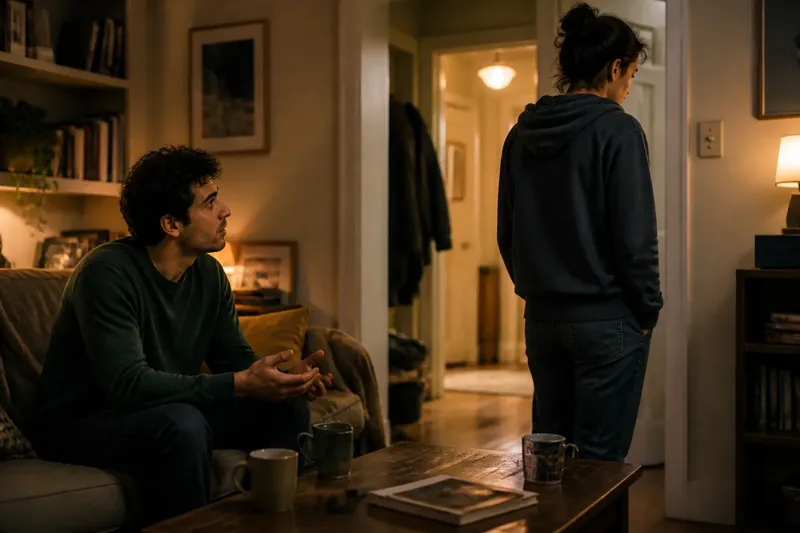
Choose a short scene with a clear interaction, such as a visit, negotiation or farewell. Watch it once without pausing. Then replay it with one question in mind: what is this character trying to make happen right now? You are not diagnosing the character or searching for a hidden theme. You are tracing an observable intention through a performance.
What counts as a character’s goal in one scene?
A scene goal is an immediate aim directed at someone or something. A character may want another person to stay, to answer a question, to hand over an object, or to accept an explanation. The goal is narrower than a life ambition and more active than a general feeling.
Try phrasing it as a verb plus an object: “get Mara to open the door” or “keep the meeting focused on the proposal”. This wording gives you something to check against the scene. “Feel understood” may describe an emotional need, but “get him to admit he read the letter” points to an action the character can pursue.
Keep the claim provisional. A line of dialogue can be a tactic, a distraction or a sincere request; it does not automatically reveal the goal. Look for what the character repeatedly steers the exchange towards, including after another person resists.
How do you track the goal on a first rewatch?
Replay the scene without stopping and write down the character’s goal in one plain sentence. Then note the moments when they act to pursue it. You might use a notebook, a notes app or a simple sequence of verbs: asks, flatters, changes the subject, withdraws.
Record choices rather than impressions. “She seems nervous” is a response to the performance; “she moves the folder out of reach when he asks to see it” describes a choice you can point to. Include speech, gesture, posture, timing and use of the space, but avoid treating every movement as a coded message.
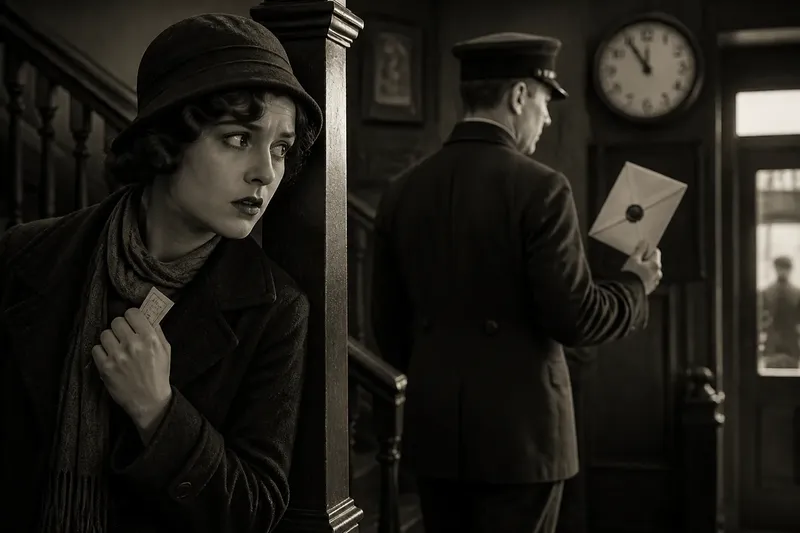
Say you choose an invented scene in which a tenant asks a caretaker to keep a parcel until morning. You note that the tenant first gives a practical reason, then offers to collect it personally, and finally asks whether anyone else has seen it. That sequence may suggest a goal of keeping the parcel from being passed on; the scene itself still needs to support that reading.
Which choices reveal a goal without spelling it out?
Watch for selection and adjustment. A character chooses which subject to raise, which detail to leave out, how close to stand, whether to sit, and when to make a request. If the other person refuses, the character may soften the appeal, sharpen it or change the subject. Those adjustments show how the performance responds to resistance.
Pay attention to the partner’s effect. A goal is not simply an internal intention; in a scene, it meets another person’s attention, suspicion, boredom or cooperation. A pause after a question, an interrupted sentence or a glance towards an exit can alter what the character tries next. Treat these as evidence of the interaction, not proof of one fixed interpretation.
Separate the character’s objective from the actor’s technique. A lowered voice may help make a plea intimate, but the vocal choice alone does not tell you whether the character wants comfort, secrecy or compliance. Connect the choice to the surrounding action and to the other character’s response.
When does the scene’s goal shift?
A shift happens when the character’s current approach or desired outcome changes in response to new information, resistance or a decision. The original goal may remain, while the tactic changes. Or the character may abandon it and pursue something else.
On a second pass, mark the point where the pattern changes. Ask what happened immediately before it: a disclosure, a refusal, a physical interruption, or a realisation the character cannot ignore. Then compare the actions on either side. Does the character move from persuading to concealing, from asking to bargaining, or from trying to leave to trying to stay?
Distinguish a shift in goal from a change in mood. A character can become angry while continuing to seek the same answer. Conversely, a calm character may stop seeking an answer and start protecting a relationship. The useful clue is what they now try to make happen.
Do not force a turning point if the scene does not offer one. Some scenes maintain one goal while the tactics evolve; others end without resolving what the character wants. An unresolved ending can still make the final choice legible.
What should you ask on a closer rewatch?
What does the character want from the other person?
Look for a result the other person can grant, refuse or complicate. If the aim seems abstract, rewrite it as an immediate request or change the character hopes to bring about.
Which action marks the clearest attempt?
Choose a specific line, gesture, movement or withheld response, and describe what it does in the exchange. If you cannot point to an observable choice, keep the interpretation tentative.
What resistance changes the character’s approach?
Notice the partner’s words and behaviour just before the tactic changes. Resistance may be explicit, such as a refusal, or quieter, such as turning away or answering a different question.
Does the goal change, or only the tactic?
Compare the result the character seeks before and after the turning point. If the desired result stays the same, the character has changed methods; if the result differs, the goal may have shifted.
How can you keep your reading grounded?
Use a small evidence trail: the proposed goal, two or three choices that support it, and one moment that might challenge it. A counterexample matters. If the character keeps helping the person they supposedly want to drive away, ask whether the goal is different or whether the scene presents competing wants.
Keep alternative readings available when the performance allows them. A character who hides a letter might be protecting its recipient, avoiding embarrassment or buying time. The surrounding dialogue, the other person’s response and the character’s next action can help distinguish these possibilities, but the scene may leave some ambiguity intact.
For your next one-scene rewatch, write a verb-led goal before interpreting the emotion. Follow the choices, locate any change in what the character wants, and let the performance support the reading rather than asking one gesture to explain everything. That small discipline makes a scene’s movement easier to see—and leaves room for the film to remain uncertain where it intends to.